
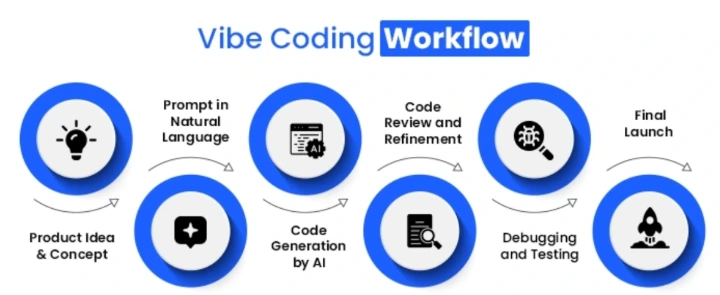
Ever sat down to code something, no big plan, just a fuzzy idea in your head, and a few hours later you've built this thing that actually works—and it feels good? That's vibe coding in a nutshell. It's not about following some rigid tutorial or chasing perfect efficiency. You start with a mood, maybe some chill beats in your headphones, and let your fingers figure it out. No overthinking architecture or edge cases right away. Just flow.
I first stumbled into it last semester during a hackathon. Deadline looming, team half-asleep, and instead of diagramming our app on a whiteboard, we jammed out a prototype in Python. One guy tossed in a random animation because it "looked cool," and boom—it hooked users better than any feature we planned. Vibe coding thrives on that impulse. You hack together a script to scrape memes, tweak it until the output makes you laugh, and suddenly you've got a tool nobody asked for but everyone's using. It's messy at first—bugs pop up like bad autocorrect—but fixing them feels intuitive, like tuning a guitar string.
What sets it apart from straight-up grinding through problems? Tools help, sure. AI assistants spit out snippets when you're stuck, low-code platforms like Bubble or Adalo let you drag-and-drop without syntax headaches. But the real magic's in your gut. Short bursts work best: 25 minutes of pure creation, then a walk to clear your head. Mix in visuals—plot your data with Matplotlib until the graph pops, or style a web page in Tailwind till it matches your coffee shop aesthetic. Sentence here runs long because sometimes you need to ramble through the why. Others stay punchy. See?
Of course, it's not all sunshine. Vibe coding can lead to spaghetti code that bites you later, especially on team projects where someone else has to decipher your "artistic" choices. That's when you layer in discipline—refactor after the vibe fades, add tests, commit to Git. Pros swear by it for prototyping: indie devs build MVPs this way, shipping apps that evolve from a single "what if" spark. Think of how early TikTok clones exploded—not from flawless backends, but from addictive frontends born in the moment.
I've been vibe coding more lately, even for school stuff. Turned a boring stats assignment into an interactive dashboard because the default output felt flat. Now it's my go-to for side projects. If you're stuck in tutorial hell, try it. Pick a small itch—automate your playlist shuffling, whatever—and chase the feeling till it clicks.